
5 Essential Valves Every Engineer Should Know: Applications, Benefits, and Best Use Cases

So, you know how valves are kind of like the unsung heroes of any pipeline or fluid system? You don’t really notice them… until something goes wrong. I’ve learned over the years that picking the right valve can save a ton of headaches. Let me walk you through five essential valves, what they’re good for, and where you’d actually want to use them.
Ball Valve with Strainer
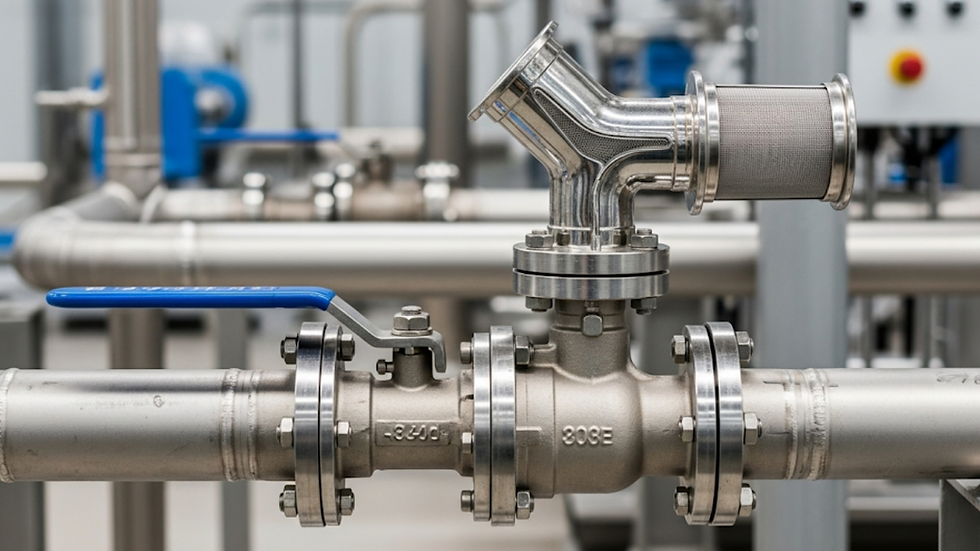
Okay, picture this: you’ve got a pipeline with water or some other fluid, but there’s always a bit of debris floating around. That’s where a Ball Valve with Strainer comes in. It’s like a valve and a tiny filter in one—you get control of the flow and you keep the junk out.
Applications :-
Water systems and treatment plants
Chemical processing
Any pipeline where particles could cause trouble
Benefits :-
Stops clogs before they become a big problem
Cuts down maintenance work
Keeps your equipment alive longer
Best Use Cases :-
Anywhere you need to control flow and protect your system from debris
Dual Plate Check Valves

Next up—Dual Plate Check Valves. Think of them as the bouncers of your pipeline. They make sure fluid only goes one way, so nothing sneaks back and messes up your system. I like these because they’re compact but super reliable.
Applications :-
Oil and gas pipelines
Water distribution systems
Power plants and cooling systems
Benefits :-
Fits easily in tight spots
Doesn’t slow down the flow much
Keeps backflow from causing chaos
Best Use Cases :-
High-flow pipelines where a backflow could cause real damage
Systems that need something low-maintenance and reliable
Single Plate Wafer Check Valve

Sometimes simpler is better. The Single Plate Wafer Check Valve just uses one disc to prevent backflow. Lightweight, cheap, and easy to install—perfect for smaller systems or HVAC setups. Honestly, I recommend this one all the time when space and cost are tight.
Applications :-
HVAC systems
Small water treatment pipelines
Low-pressure industrial setups
Benefits :-
Quick and simple to install
Doesn’t cost much
Compact and easy to fit anywhere
Best Use Cases :-
Tight spaces
Systems that don’t really need the fancy dual-plate option
Extended Stem Ball Valve

This one’s kind of underrated—the Extended Stem Ball Valve. Imagine trying to reach a valve that’s tucked away in a hot, hard-to-get spot. Not fun, right? The longer stem makes it way safer and easier to operate. I’ve seen plants retrofit these just for accessibility and safety.
Applications :-
High-temperature pipelines
Hard-to-reach spots in industrial plants
Safety-critical systems
Benefits :-
Lets you operate it safely without burning yourself or climbing awkwardly
Super durable in tough conditions
Makes maintenance and operation easier
Best Use Cases :-
When valves are out of reach or exposed to high heat
Any place where safety and durability matter
Pressure Independent Valve

Finally, the Pressure Independent Valve. Honestly, this one’s a game-changer in modern buildings. It keeps flow consistent even when the system pressure changes—perfect for HVAC. On one project, switching to PIVs alone cut energy costs a ton because the flow was always just right.
Applications :-
Commercial and residential HVAC
Large buildings with climate control
Energy-efficient systems
Benefits :-
Accurate flow control
Saves energy
Reduces maintenance headaches
Best Use Cases :-
Systems that need perfect balance
Energy-efficient or eco-friendly projects
A Few Tips on Choosing and Maintaining Valves

Alright, now here’s the thing: even the best valve won’t help if you pick the wrong type or don’t take care of it. From my experience :-
Factors to Consider : Material, temperature, pressure, flow, and what the system actually needs. Don’t just pick the cheapest one.
Maintenance Tips : Inspect them regularly, clean strainers, lubricate moving parts, and replace worn-out components. Trust me, a bit of care goes a long way.
Reliable Suppliers : You want good quality, not just cheap stuff. For valves you can trust, companies like Castle Valves have a solid range.
Wrapping Up
So yeah, valves might seem boring at first, but they’re actually super important. Knowing applications, benefits, and best use cases for each one makes life easier, saves money, and keeps your systems running smoothly. Whether it’s a Ball Valve with Strainer or a Pressure Independent Valve, pick the right one, take care of it, and your pipeline will thank you.


Comments